Sport climbing is a highly rewarding outdoor or indoor activity that combines physical effort, cognitive engagement, and psychological resilience. It is often called “vertical chess” due to the unique mix of movement and problem-solving on the wall.
Physical Benefits: Multimodal Training
Unlike isolated gym exercises, climbing activates the entire body through functional movement.
Functional strength development: Focus on core (abdominals and back), forearms, and finger strength, which is rare in most sports.
Flexibility and mobility: Requires a large range of motion in hips and shoulders, improving overall joint mobility.
Cardiovascular endurance: Although often seen as anaerobic, longer routes significantly raise heart rate and improve aerobic capacity.
Proprioception and balance: Develops a strong sense of body position in space, improving coordination.
Neural proprioceptive input: Constant balancing on small holds activates the cerebellum, responsible for coordination and fine motor control.
Cognitive Benefits: “Problem-Solving Under Pressure”
This is what sets climbing apart from most basic sports.
Working memory and thinking: Climbers must visualize sequences before climbing (mental rehearsal). Studies suggest working memory can improve significantly through such practice.
Visuospatial processing: “Reading routes” activates the parietal lobe, improving spatial awareness and abstract problem-solving.
Executive function: Quick decision-making under fatigue strengthens mental agility.
Neuroplasticity: Physical and cognitive demands stimulate BDNF release, supporting the growth of new neurons and synapses.
Psychological Impact and Mental Health
In clinical psychology, climbing is increasingly referred to as “therapeutic climbing.”
Mind–body connection: Physical progress is directly tied to focus and emotional stability.
Stress and fear management: Controlled exposure to height helps reduce anxiety in everyday life.
Flow state: Deep focus during climbing lowers cortisol and may ease depressive symptoms.
Resilience: Repeated failure and attempts build strong psychological resilience transferable to daily life.
Self-confidence: Each completed route provides measurable achievement and reinforces self-perception.
Preventive health: Due to stress reduction and cognitive benefits, climbing supports prevention of modern lifestyle diseases.
Social and Environmental Aspects
Trust and community: The climber–belayer relationship is based on complete trust, building strong social bonds.
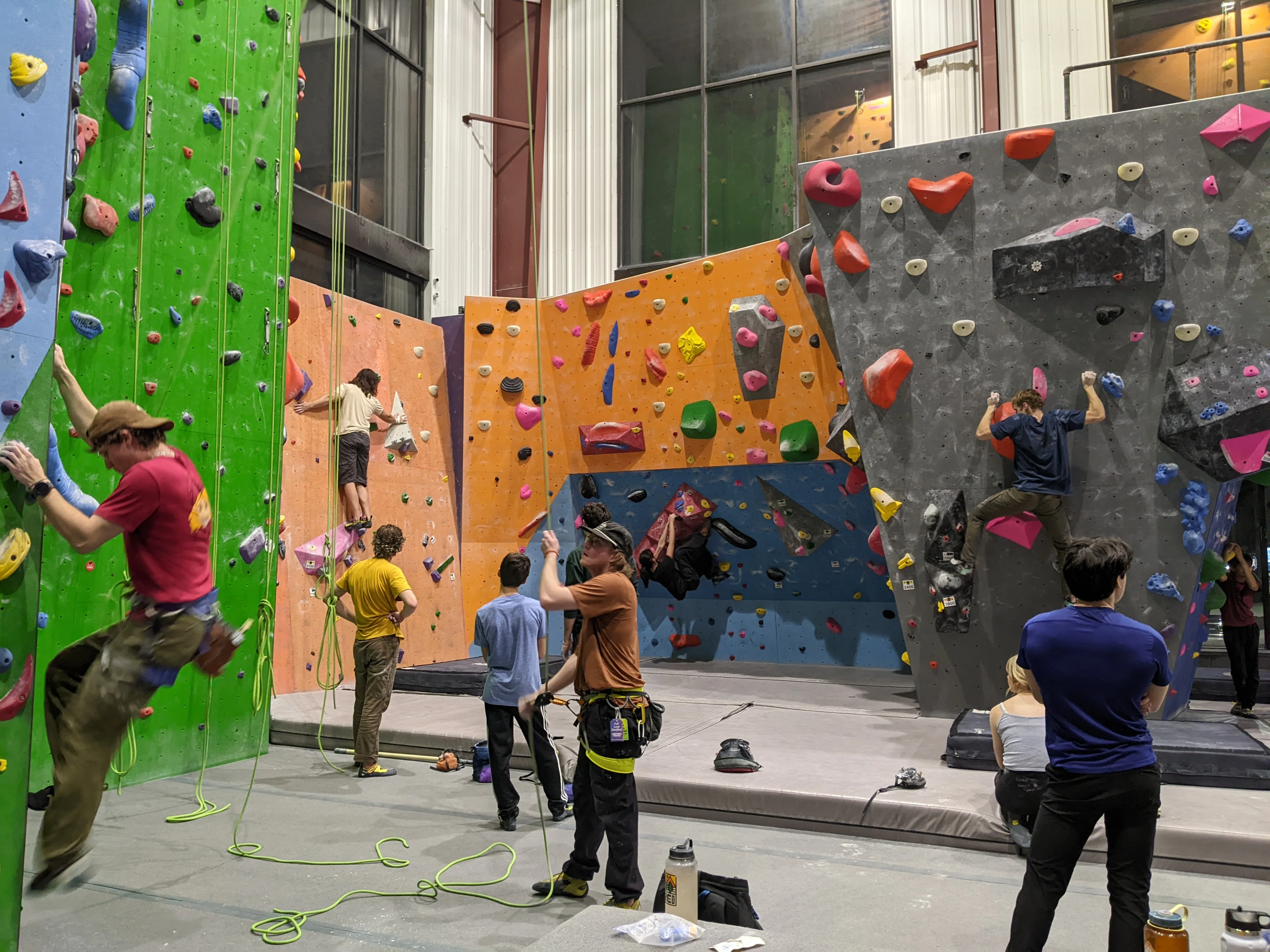
Social integration: Although performed individually, climbing is highly social through shared problem-solving and support.
Connection with nature: Outdoor climbing encourages environmental awareness and time in nature, important in modern sedentary lifestyles.
Sport Climbing as a Safe Outdoor Activity
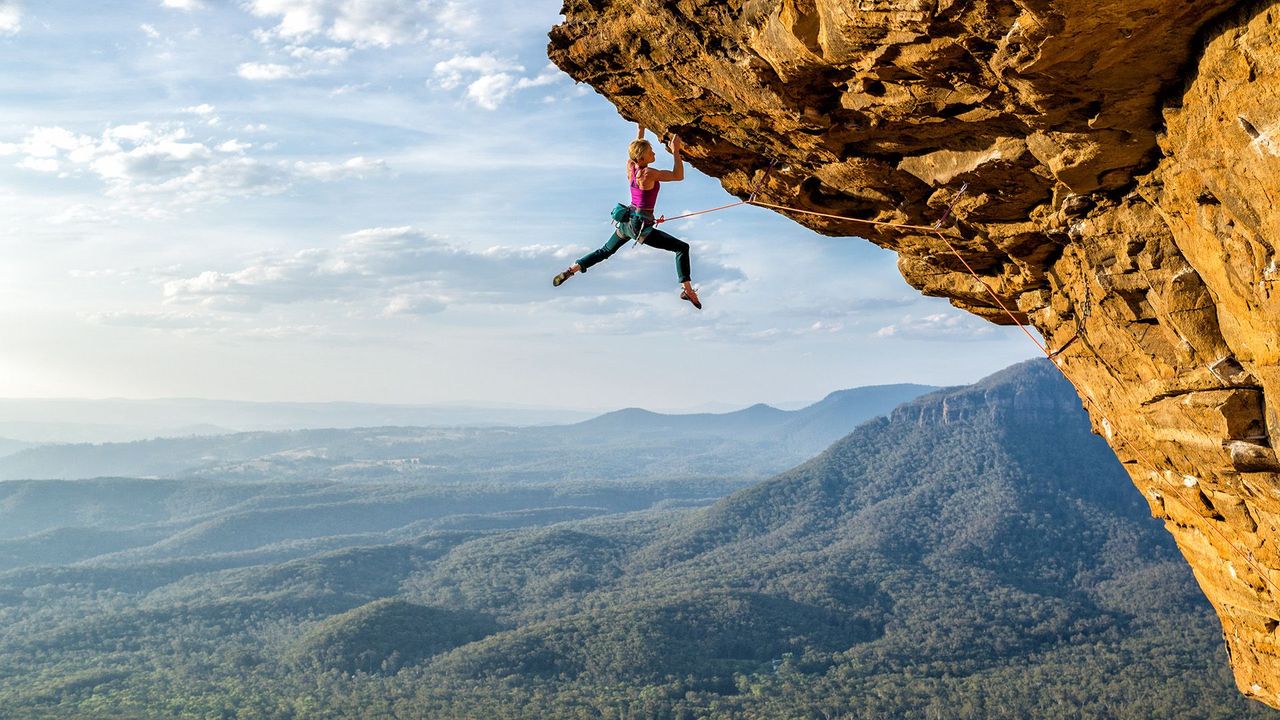
Sport climbing is considered one of the safest outdoor sports while offering direct contact with nature and significant health benefits. Spending time outdoors is often referred to as “green therapy” or “ecotherapy,” with proven positive effects on both physical and mental health. Regular exposure to nature supports vitamin D synthesis, helps prevent “computer vision syndrome,” improves sleep quality through circadian rhythm regulation, reduces stress, and enhances overall well-being. Natural light and fresh air help regulate the body’s internal biological clock, while excessive indoor time can disrupt sleep and increase fatigue. Even short daily outdoor exposure (around 20 minutes) can improve energy, motivation, and mental resilience. Research also shows lower depression rates in rural populations compared to urban environments, highlighting the importance of nature for mental health. Physical activity outdoors reduces the risks of a sedentary lifestyle, such as fat accumulation and decreased bone density. Combining climbing with time in nature is one of the most effective ways to support both mental and physical development across all ages. Overall, regular outdoor activity not only improves health but also contributes to long-term vitality and quality of life.
Climb Higher, Think Sharper, Live Better
Explore how climbing shapes body, mind, and community